 No Comments
Introduction: More Than Just Reading Letters
Have you ever left an eye check-up wondering, “What did all those machines do?” You’re not alone. For many, an eye exam feels like a blur of bright lights, letter charts, and complicated terms.
But behind each test is a specific purpose — and together, they give your eye care professional a complete picture of your vision and overall health.
In this blog, we’ll demystify the most common eye tests. Knowing what they mean (and why they matter) can help you become more confident about your eye care journey.
Why Eye Exams Are More Than a Vision Check
Your eyes don’t just help you see — they’re a window to your overall health. Many health conditions, like diabetes, high blood pressure, and even brain tumors, show early signs in the eyes. That’s why a comprehensive eye test is not just about updating your glasses — it’s about protecting your long-term health.
Common Eye Tests — Decoded
Let’s break down the most common tests you’ll undergo during a full eye exam:
1. Visual Acuity Test
�� What it does: Measures how clearly you can see.
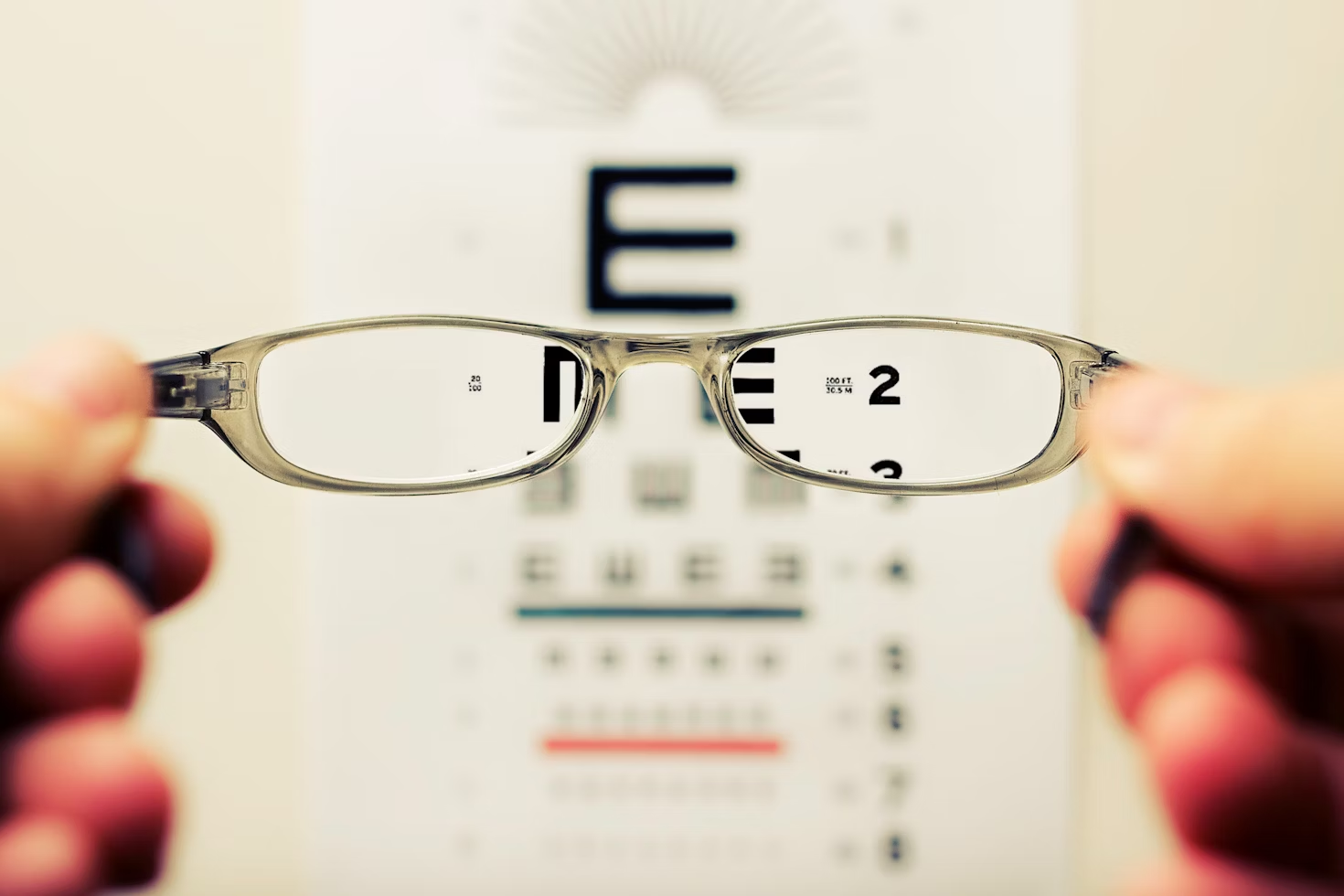
�� How it’s done: You’ll be asked to read letters from a chart (called the Snellen chart) — first one eye, then the other.
�� Why it matters: This test identifies whether you have normal vision (20/20) or issues like nearsightedness (myopia), farsightedness (hyperopia), or astigmatism.
2. Refraction Test
�� What it does: Determines your exact glasses or contact lens prescription.
�� How it’s done: You’ll look through a device (phoropter) as your optometrist flips through lenses, asking: “Better or worse?”
�� Why it matters: It pinpoints the lens strength you need to see clearly. This test is essential for those who wear corrective lenses.
3. Tonometry
�� What it does: Measures the pressure inside your eye — a key indicator for glaucoma.
�� How it’s done: There are two types:
- Non-contact (puff of air) test: You feel a gentle puff on the eye.
- Applanation tonometry: A numbing drop is used, and the eye is gently touched with a device.
�� Why it matters: Elevated pressure may damage your optic nerve. Early glaucoma usually has no symptoms, making this test vital.
4. Retinal Exam (Fundus Photography or Dilated Eye Exam)
�� What it does: Examines the retina (the light-sensitive layer), optic nerve, and blood vessels at the back of your eye.
��️ How it’s done: Your pupils may be dilated with eye drops. The doctor will then use a special light or a camera to inspect the inner structures of your eye.
�� Why it matters: It can detect early signs of:
- Diabetic retinopathy
- High blood pressure
- Macular degeneration
- Retinal detachment
- Tumors or clots
�� Bonus: Sometimes, these eye findings prompt patients to get life-saving checkups for other organs!
5. Slit Lamp Exam
�� What it does: Gives a magnified view of your eye’s front and middle structures.
�� How it’s done: You rest your chin on the machine while your eye is lit with a narrow beam (the slit). The doctor looks at your cornea, iris, lens, and fluid chambers.
�� Why it matters: Helps spot:
- Cataracts
- Corneal injuries
- Infections (like conjunctivitis or keratitis)
- Dry eye disease
- Iritis or uveitis (inflammation inside the eye)
6. Colour Vision Test
�� What it does: Checks your ability to distinguish colors.
���� How it’s done: You’ll view a series of plates with numbers or shapes made from colored dots.
�� Why it matters: Identifies color blindness — often genetic, but sometimes due to optic nerve damage or eye disease.
7. Visual Field Test (Perimetry)
�� What it does: Assesses your peripheral (side) vision.
�� How it’s done: You press a button whenever you see light flashes while staring at a central point.
�� Why it matters: Detects vision loss from:
- Glaucoma
- Brain tumors or stroke
- Retinal diseases
8. Ocular Coherence Tomography (OCT)
What it does: Captures detailed cross-sectional images of the retina and optic nerve.
How it’s done: A non-invasive scan (similar to ultrasound, but with light) creates detailed images.
Why it matters: Essential for diagnosing:
- Macular degeneration
- Diabetic eye disease
- Glaucoma progression
- Retinal holes or swelling
Why Annual Eye Exams Matter (Even If You Have No Symptoms)
Many serious eye conditions are silent in their early stages — they cause no pain or obvious vision changes until the damage is done. That’s why regular screening is key.
✅ Early detection = better treatment
✅ Track gradual changes in prescription or pressure
✅ Prevention beats cure, especially for age-related vision issues
✅ Reduce screen-time stress with personalized guidance
✅ Monitor eye health if you have diabetes, hypertension, or family history of eye disease
Signs You Shouldn’t Wait for an Annual Test
Make an appointment sooner if you notice:
- Sudden vision changes or blurriness
- Frequent headaches or eye strain
- Floaters or flashes of light
- Difficulty seeing at night
- Redness, pain, or discharge
Conclusion: Your Eyes Deserve Routine Care Too
Eye exams aren’t just for when things go wrong. They’re a critical part of your overall health routine — like going to the dentist or getting a blood test.
At iCare Centre, we offer comprehensive eye exams with the latest diagnostic tools and compassionate care. Whether it’s your child’s first test or your annual check-up, we’re here to help you understand what your eyes are saying.
Book your appointment today — your future vision depends on what you do now.

Leave A Comment