
 No Comments
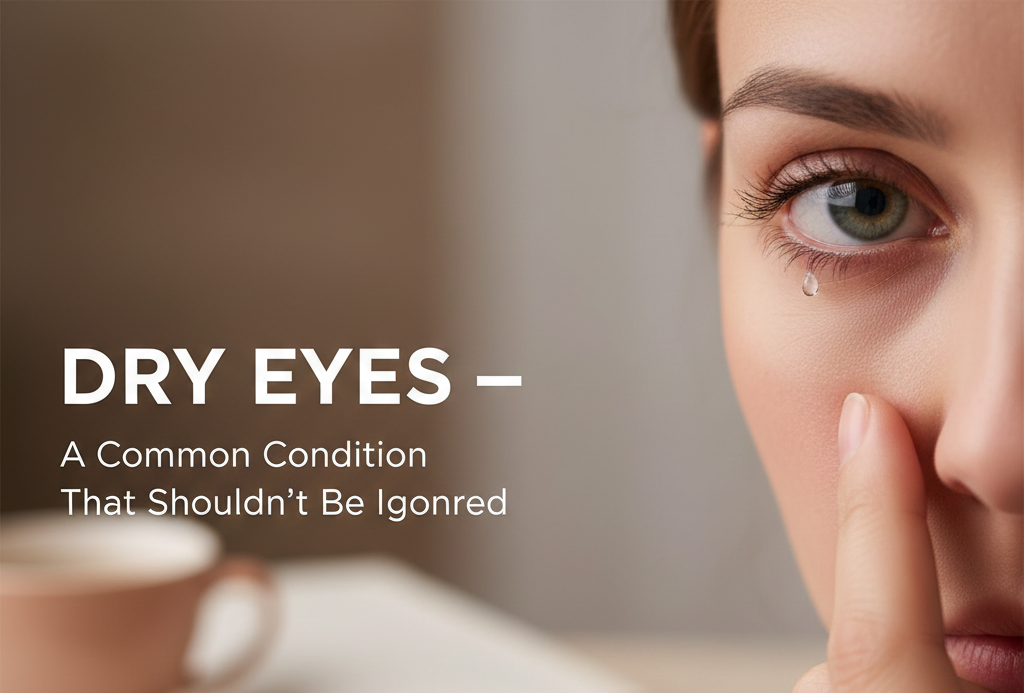
Dry eyes have become one of the most common eye complaints in today’s fast-paced, screen heavy lifestyle. While often dismissed as a minor inconvenience, dry eye disease can significantly impact daily comfort, productivity, and overall eye health if left untreated.
Dry eyes occur when your eyes either do not produce enough tears or when the tears evaporate too quickly. Tears are not just water—they are a complex mixture that keeps the eye surface smooth, nourished, and protected. When this balance is disturbed, the eyes can become irritated and inflamed. Ironically, excessive watering of the eyes can also be a sign of dryness, as the eyes try to compensate for irritation.
Common symptoms include a burning or stinging sensation, redness, blurred vision that improves with blinking, sensitivity to light, and a gritty feeling as if something is stuck in the eye. Long hours of screen use reduce blinking, which worsens tear evaporation. Environmental factors such as air conditioning, pollution, smoke, and dry climates also contribute significantly to this condition.
Dry eyes are more common with aging and hormonal changes, especially in women. Certain medications and health conditions can also reduce tear production. If untreated, chronic dry eyes can lead to inflammation, damage to the eye surface, and an increased risk of infection.
Management of dry eyes depends on the underlying cause and severity. Treatment may include lubricating eye drops, lifestyle modifications, dietary changes, or medical therapies recommended by an eye specialist. Simple habits such as staying hydrated, taking screen breaks, and protecting your eyes from harsh environments can make a significant difference.
Dry eyes may be common, but they are not something you have to live with. Proper diagnosis and timely care can restore comfort and protect long-term vision.


Leave A Comment