 No Comments
Introduction: The Screen Generation’s Eye Dilemma
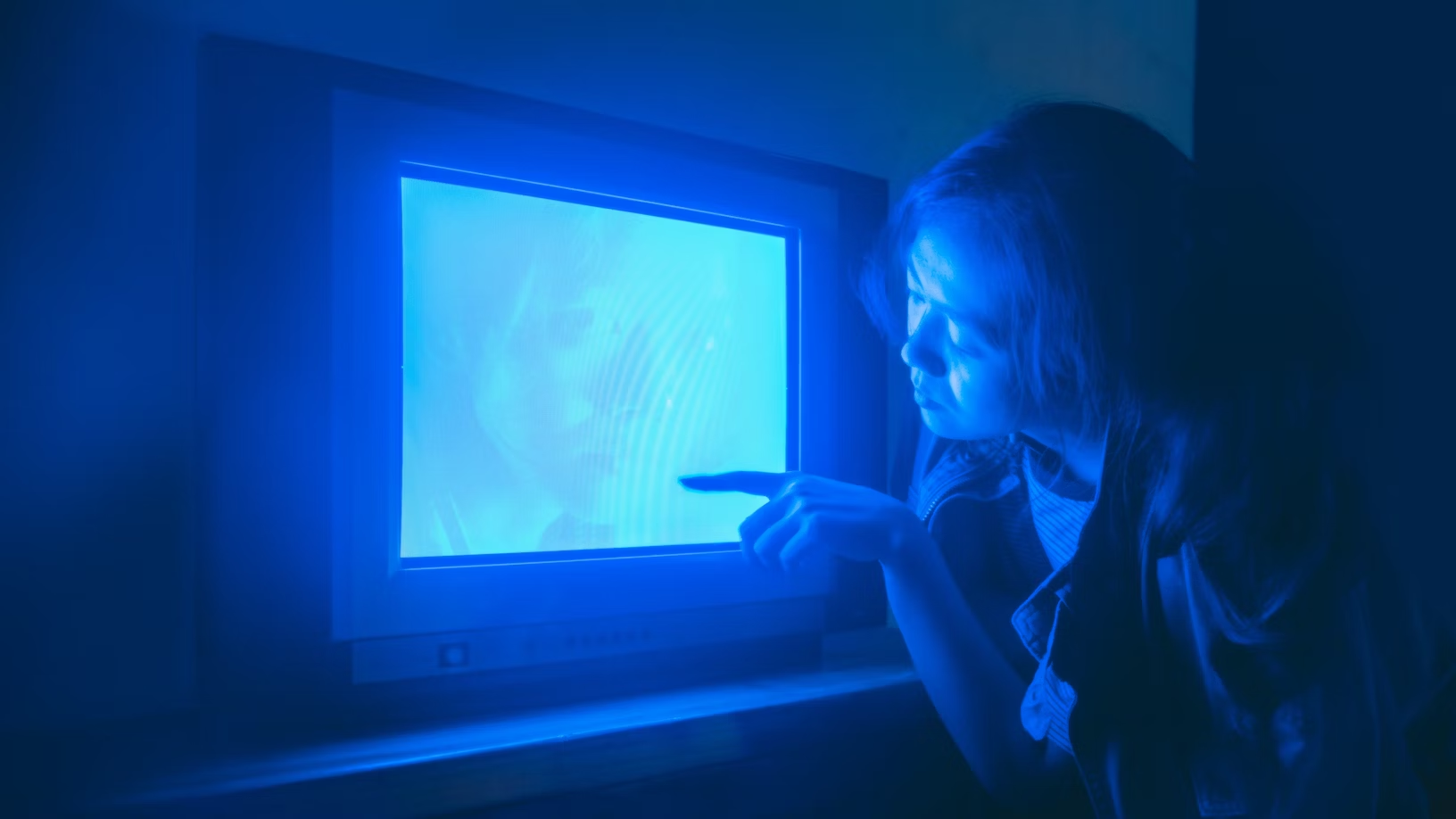
Whether it’s checking notifications the moment we wake up, working 9 to 5 in front of a laptop, or scrolling Instagram before sleeping — screens are a constant in modern life. And with screens comes blue light.
While it’s a normal part of the light spectrum, excessive exposure to blue light — especially from digital devices — has sparked growing concern. Can it harm our eyes? Is it disrupting our sleep? And most importantly, how do we protect ourselves without giving up our tech?
Let’s break it all down.
What Exactly Is Blue Light?
Blue light is a high-energy visible (HEV) light that falls between 400–500 nanometers on the light spectrum. It’s not only emitted by our phones, laptops, and TVs but also naturally found in sunlight.
In fact, natural blue light plays a positive role:
- Boosts attention and reaction time
- Regulates our circadian rhythm (sleep-wake cycle)
- Enhances mood during daytime
However, artificial blue light — particularly overexposure during the evening and night — can have very different effects.
Sources of Artificial Blue Light
Some common culprits in our everyday environment include:
- Smartphones and tablets
- Computer and laptop screens
- LED and fluorescent lighting
- Flat-screen televisions
- Digital signage
If you spend more than 4–5 hours a day on screens (which many of us do), you are likely getting more blue light than your eyes are comfortable with.
How Does Blue Light Affect Your Eyes?
While research is ongoing, several well-documented issues are linked to excess blue light exposure:
1. Digital Eye Strain (Computer Vision Syndrome)
When we stare at screens for long periods:
- We blink less (reducing natural eye moisture)
- The contrast of digital text strains our focus
- Prolonged exposure to blue light contributes to fatigue and discomfort
Symptoms include:
- Dry eyes
- Blurred vision
- Headaches
- Neck and shoulder pain
2. Sleep Disruption
Blue light suppresses melatonin production, the hormone that signals your body it’s time to sleep.
Night-time screen exposure can:
- Delay sleep onset
- Reduce sleep quality
- Shorten sleep duration
This creates a harmful cycle of poor sleep and tired eyes the next day.
3. Potential Long-Term Eye Damage
Although evidence is still emerging, some animal studies suggest blue light may cause retinal damage or increase the risk of age-related macular degeneration (AMD). More human research is needed, but the concern is real enough for experts to recommend caution.
Who Is Most at Risk?
- Children and teens: Their eyes absorb more blue light, and they often have longer screen time.
- Office workers & gamers: Spending 8–12 hours a day on devices.
- People with dry eyes or contact lens users: Already more prone to discomfort.
How to Protect Your Eyes From Blue Light
You don’t have to quit technology — but you can use it smarter. Here’s how:
1. Follow the 20-20-20 Rule
Every 20 minutes, look at something 20 feet away for 20 seconds. It relaxes the focusing muscles and refreshes your eyes.
2. Use Blue Light Filters
- Enable night shift or blue light filter mode on phones and laptops.
- Install screen filter apps or software like f.lux for computers.
- Consider blue-blocking glasses, especially if you work late hours.
3. Adjust Your Environment
- Use ambient lighting to reduce screen glare.
- Increase text size and contrast on screens for easier reading.
- Avoid screens 1 hour before bedtime to improve sleep quality.
4. Take Regular Screen Breaks
Every couple of hours, take a 10–15-minute break to step away from screens entirely.
5. Stay Hydrated and Blink Often
Use lubricating eye drops if needed. Keeping your eyes moist helps combat dryness from staring too long.
Myths About Blue Light — Busted
- ❌ Myth: All blue light is harmful.
✅ Fact: Blue light in moderation (especially from the sun) is essential for health. - ❌ Myth: Blue light glasses completely block all damage.
✅ Fact: They reduce exposure, but lifestyle habits matter more. - ❌ Myth: Only older adults need to worry.
✅ Fact: Everyone using screens should be mindful — especially kids and teens.
Final Thoughts: Balance Over Panic
Blue light isn’t the enemy — excessive and unregulated exposure is. In today’s digital world, protecting your eyes is not about avoiding screens, but about using them wisely.
At iCare Centre, we regularly see patients with screen-related eye strain, sleep issues, or early signs of digital overload. The good news? Small changes — like taking breaks, adjusting settings, and wearing blue light filters — can lead to big improvements in eye comfort and health.
Need Help? We’re Here for You.
If you experience:
- Constant tired or dry eyes
- Blurred vision after screen use
- Poor sleep due to screen time
Schedule a comprehensive eye check-up at iCare Centre. Our specialists will assess your digital eye health and recommend personalized solutions.

Leave A Comment