Why Eye Exams Are More Than Just About Vision

🧠 Introduction: Eyes — A Mirror to Your Body
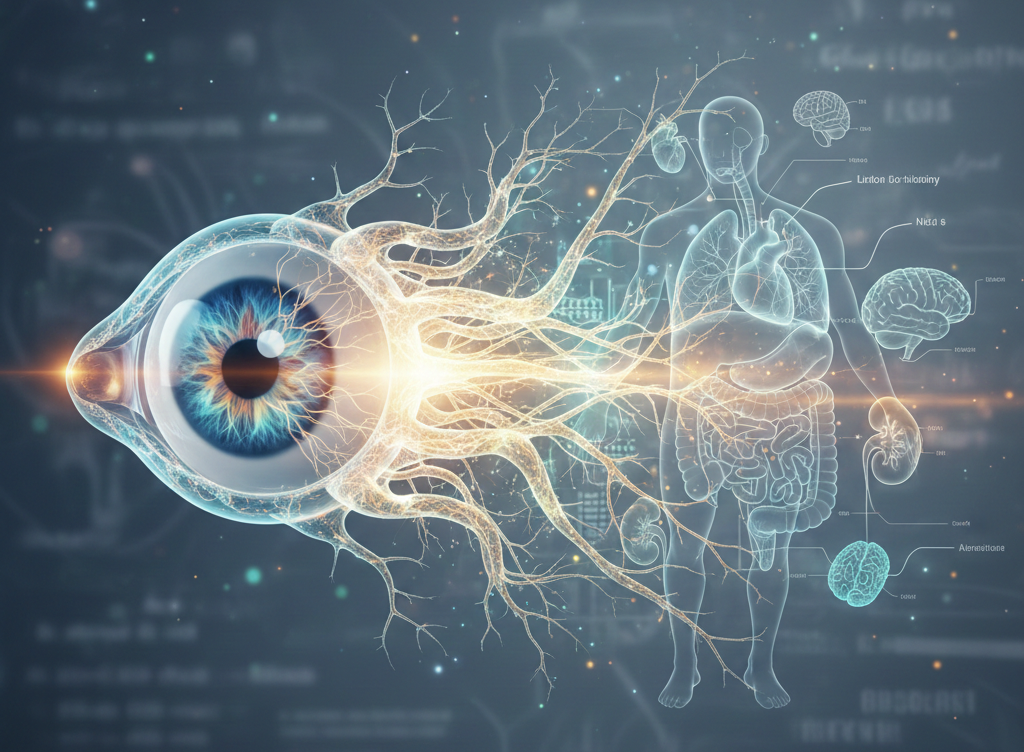
Most people think of eye exams as a way to check if they need glasses or contacts — but there’s much more your eyes can reveal. In fact, your eyes are one of the only places in the body where a doctor can directly see your blood vessels and nerves without surgery.
That’s why ophthalmologists and optometrists are often the first to detect hidden systemic conditions like diabetes, high blood pressure, autoimmune diseases, or even brain tumors — sometimes before symptoms show up elsewhere in the body.
Let’s decode how your eye health connects to your overall well-being.

🔍 What Your Eyes Can Reveal About Your Health
🩸 1. Retinal Blood Vessels and Chronic Diseases
The retina — the light-sensitive layer at the back of your eye — has a rich network of blood vessels. By examining them, doctors can detect:
- Hypertension (High Blood Pressure): Narrowed or leaking blood vessels in the retina may signal high BP.
- Diabetes: Swelling or bleeding in the retina may indicate diabetic retinopathy, often found even before a diabetes diagnosis.
🟡 2. Yellowish Eyes = Liver Trouble
A yellow tint in the whites of your eyes (called scleral icterus) could indicate jaundice, which may result from liver conditions like hepatitis or cirrhosis.
⚡ 3. Sudden Vision Loss = Possible Stroke
A rapid loss of vision, especially in one eye, could indicate a stroke or a transient ischemic attack (TIA). This is a medical emergency — and one that often begins in the eye before affecting the brain.
🧠 4. Optic Nerve Changes and Brain Tumors
Swelling of the optic nerve (papilledema) seen during an eye exam may point to increased intracranial pressure, which can be caused by a brain tumor or hemorrhage.

⚠️ Systemic Conditions That Affect the Eyes
Your eyes are part of a complex biological system, and many health issues show up in vision or eye structure first. Here’s a look at some common systemic diseases and how they manifest in the eyes:
| Condition | Possible Eye Impact |
| Diabetes | Diabetic retinopathy, blurry vision, early cataracts |
| Hypertension | Retinal bleeding, hypertensive retinopathy |
| High Cholesterol | Eye strokes (retinal artery occlusion), corneal arcus |
| Autoimmune Disorders (e.g., Rheumatoid Arthritis, Lupus) | Dry eye, uveitis (inflammation), scleritis |
| Thyroid Disease (Graves’ Disease) | Bulging eyes, double vision |
| Multiple Sclerosis (MS) | Optic neuritis — pain and temporary vision loss |
| Anemia or Blood Disorders | Pale retina, retinal hemorrhages |
| Cancer (Lymphoma, Leukemia, Metastatic cancers) | May show up as vision changes, eye masses, or inflammation |

🧪 Why Routine Eye Exams Matter (Even If Your Vision Feels Fine)
A comprehensive eye exam includes more than just reading an eye chart. It involves:
- Dilating your pupils to see the retina and optic nerve
- Measuring intraocular pressure (important for glaucoma)
- Inspecting blood vessels, nerve health, and fluid leakage
- Detecting early warning signs of systemic diseases that may not show symptoms yet
In fact, some patients first discover they have high blood sugar, high BP, or signs of a brain disorder during a routine eye checkup.

👁️🗨️ Conclusion: The Eyes Don’t Lie
Your eyes are more than just the windows to your soul — they are powerful diagnostic tools that reflect your overall health. Regular eye exams can catch early signs of life-threatening conditions, often before any other part of the body shows symptoms.
So don’t wait for blurry vision or eye pain to book a checkup. Make routine eye care a key part of your annual health check — your whole body may thank you for it.

🏥 At iCare Centre, we go beyond vision correction.
We believe in total eye health — and that means caring for your whole body through your eyes.
Need a check-up or have health concerns that may affect your eyes?
Book your comprehensive eye exam today and stay ahead of hidden health issues.